Construction stories
Digital transformation is driving optimism and opportunities for APAC construction sector, according to new research by InEight.
AVEVA and RIB Software partner to drive construction assurance, efficiency, and sustainability. Integration to enhance AVEVA's Project Execution portfolio.
Supply chain revamps could propel the ANZ construction sector, reveals Frost and Sullivan; firms eye digital tools to tackle inefficiencies post-COVID.
InEight has integrated with Microsoft Dynamics 365 to provide construction companies with a unified enterprise platform to improve project visibility.
TechDay spoke to Bentley Systems executives Mark Coates and Phil Christensen, who discuss how technology has changed within the infrastructure industry.
Clear, up-to-date Covid-19 protocols have helped construction firms keep working safely through Alert Level changes, industry leaders say.
Homeowners face higher rebuild insurance bills as labour and materials shortages pushed residential construction costs up 2.2% in June.
Record spending is exposing poor productivity, rising insolvencies and risk in Australia’s construction sector, industry leaders warn.
MYOB and Procore Technologies have launched an integrated platform for construction firms, offering comprehensive project management and financial solutions.
Digital delivery and new construction tech are speeding up projects, with the supreme award-winning water scheme completed in a year.
Only essential building work may continue, with contractors required to follow strict COVID-19 controls or defer jobs until restrictions ease.
Recruitment bottlenecks and border rules are threatening delivery of New Zealand's NZ$10.1 billion infrastructure pipeline.
Projects that kept ferries running, roads safer and power supply secure were among the winners at Civil Contractors New Zealand’s awards in Wellington.
Warnings that Australia’s builders are at breaking point have prompted calls for urgent reform to deliver the USD $110 billion pipeline.
Honeywell's systems will help to manage the building's energy usage and to provide a comfortable living experience.
Labour and supply chain pressures could slow the sector’s rebound, despite forecast construction growth of 5.5% this year.
Construction firms risk wasting software spend unless they map workflows, win staff buy-in and phase rollouts to prove time and cost savings.
Delays and cost overruns in New Zealand infrastructure could ease if owners and contractors shared risk and data, Rob Bryant says.
Trackunit expands in Asia Pacific with new Australian office and regional headquarters in Singapore, aiming to advance digitization in the construction sector.
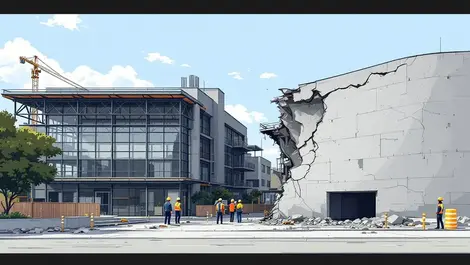
A decade after the quake, engineers say steel buildings proved far tougher than expected, with extra no-damage protection costing little more.